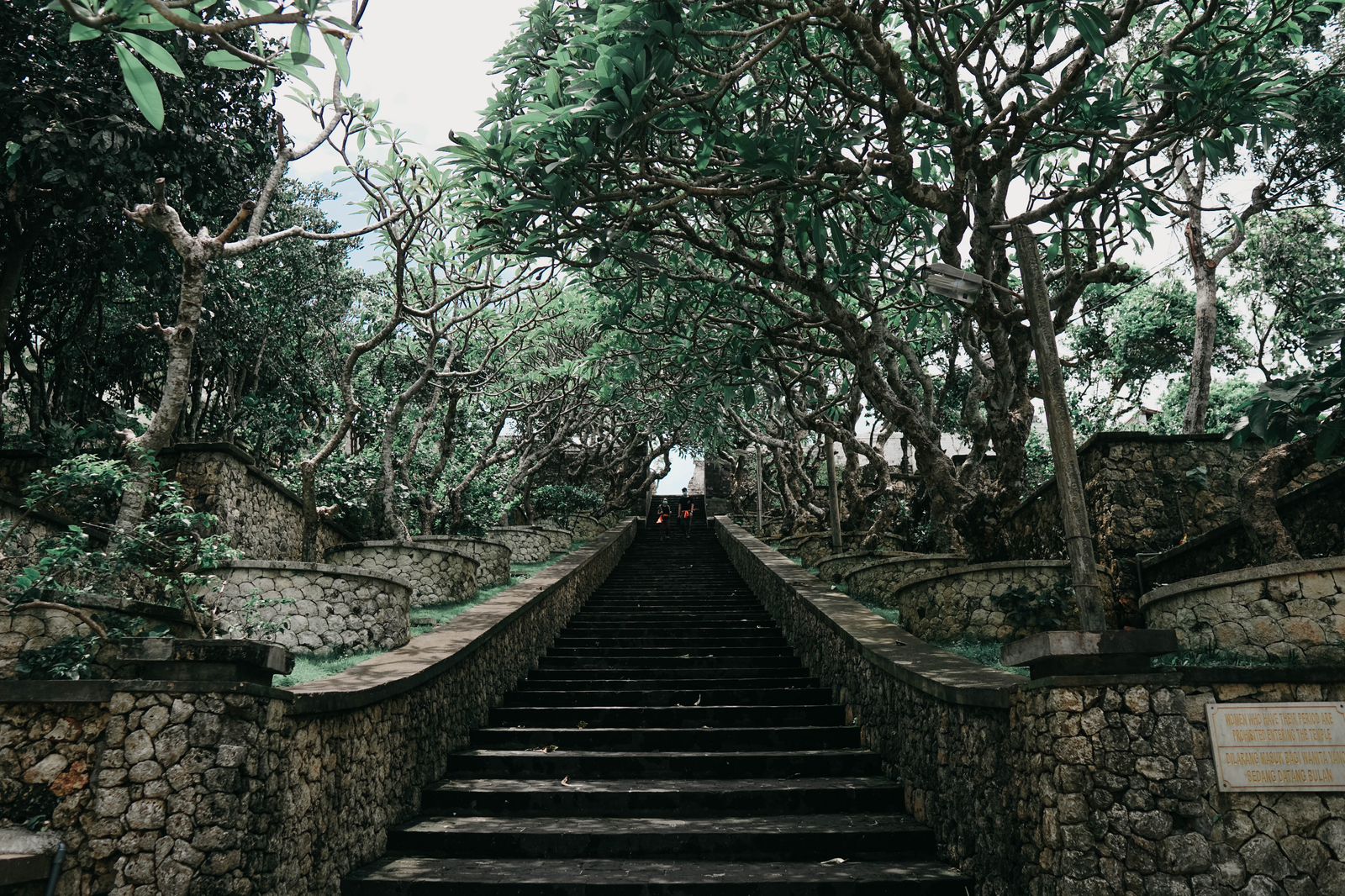
Bali is not one destination. It is a collection of very different places that happen to share an island, and the gap between them is wider than most first-time visitors expect. Book a beach club strip when what you really wanted was rice fields at sunrise, and you will spend a good part of your holiday sitting in traffic trying to correct the mistake. Deciding where to stay in Bali is the single most important planning choice you will make, ahead of which flight you take or which tours you add.
The pressure on the popular areas is real. As recorded by Statistics Indonesia’s Bali office, Bali received 6,948,754 direct foreign arrivals in 2025, an increase of 9.72 percent on the previous year. Those visitors are not spread evenly across the island. They cluster into a handful of southern hubs, which is why the difference between a calm morning and a gridlocked one can come down to a few kilometres of road.
This guide walks through the main areas honestly. You will find what each one actually feels like on the ground, who it suits, how long the drive really takes, and where the compromises sit. There is no single winner. There is only the right match for your trip, your travel companions and your patience for noise.
Start With Three Questions, Not a Hotel Search
Most people open a booking site first and regret it later. Answer these three questions before you look at a single room photo, and the best place to stay in Bali for your trip usually becomes obvious.
- What do you want to do most days? Surf, swim, eat, hike, sit by a pool and read. The answer points to a coastline or to the interior, and those are very different holidays.
- How much moving around can you tolerate? Bali rewards splitting a trip across two or three bases. It punishes travellers who pick one hotel and then drive two hours each way to everything.
- Who is travelling with you? Toddlers, grandparents, a surf-obsessed partner and a group of friends all pull the decision in different directions.
Where to Stay in Bali: The Main Areas Compared
There is no universal best area to stay in Bali. What follows is what each area is genuinely good at, and what it is not.
Seminyak
Polished, walkable and packed with good restaurants, spas and boutiques. The beach is wide grey sand with reliable sunsets and beach clubs lined along it. Seminyak suits people who want comfort, choice and short walks rather than long drives. The trade-off is density. Jalan Kayu Aya crawls at peak hours, and the swimming is fine rather than special because of the surf break and currents.
Canggu and Pererenan
Surf breaks, specialty coffee, co-working spaces and a young international crowd. Canggu has grown quickly and the lanes were never built for the traffic they now carry, so allow more time than any map suggests. Pererenan, just north, keeps the same cafés and surf with noticeably less noise. Pack light if you are staying here, because many villas sit down in narrow gangs. Our Bali packing list covers what actually earns its place in the bag.
Ubud
Inland, green and culturally rich, with temples, gamelan, art markets and terraced rice fields on the edge of town. Part of that landscape belongs to the subak irrigation system, inscribed by UNESCO as the Cultural Landscape of Bali Province in 2012, which is why the scenery around Ubud feels so different from the coast. There is no beach. Mornings are humid, the main road is slow, and that is the honest price of staying somewhere this beautiful.
Uluwatu and the Bukit Peninsula
Limestone cliffs, world-class surf and small cove beaches reached by steep staircases. The clifftop sunsets are the best on the island. Uluwatu is spread out, so plan on a driver or a scooter rather than walking between places. It is a strong choice for travellers who want dramatic scenery and are happy to trade convenience for it.
Sanur
Bali’s calmest mainstream base. A reef sits offshore, so the water is shallow and flat, and a long paved beach path runs the length of town. Sanur is also the fast boat port for Nusa Penida, Nusa Lembongan and the Gili Islands, which makes it efficient if island hopping is part of the plan. Nightlife is quiet by design.
Nusa Dua and Jimbaran
Nusa Dua is a gated resort enclave with groomed beaches, calm swimming and everything arranged inside the gates. It is easy and safe, though it can feel separate from the rest of the island. Jimbaran sits closer to the airport, keeps a working fishing bay and serves grilled seafood on the sand at dusk. Of the two, Jimbaran feels more like Bali.
Kuta and Legian
The cheapest and closest option to the airport, with a long sandy beach and gentle learner waves. It is loud, crowded and heavily commercial. Where Kuta genuinely earns its place is as a first or last night when your flight lands late or leaves early.
Amed, Sidemen and the North Coast
Two and a half to three and a half hours from the airport, and worth it if quiet is the point. Amed offers shore diving on the Liberty wreck at Tulamben, Sidemen has rice valleys with almost no tour buses, and Lovina has calm black sand and morning dolphin trips. These areas fit longer trips, not short ones.
Area comparison at a glance
| Area | Best for | Beach | Airport drive |
| Seminyak | Dining, shopping, easy first trips | Wide grey sand, strong surf | 25 to 45 min |
| Canggu | Surfers, cafés, longer stays | Dark sand, rip currents | 45 to 90 min |
| Ubud | Culture, nature, wellness | None | 60 to 100 min |
| Uluwatu | Surf, clifftop views, romance | Small coves, steep steps | 45 to 70 min |
| Sanur | Calm swimming, island hopping | Shallow, reef protected | 30 to 45 min |
| Nusa Dua | Resort holidays, easy days | Groomed and calm | 20 to 30 min |
| Jimbaran | Seafood, quiet bay, mid-trip base | Calm bay, gentle slope | 15 to 25 min |
| Kuta and Legian | Budget, first or last night | Long sandy beach | 10 to 20 min |
| Amed and the east | Diving, slow travel, quiet | Black sand and pebbles | 2.5 to 3.5 hrs |
Matching the Area to Your Travel Style
The same area can be perfect for one traveller and wrong for the next. This is where to stay in Bali stops being a general question and starts being a personal one.
Couples and honeymooners
For a first romantic trip, the best area to stay in Bali for couples is usually Uluwatu or Ubud, or one of each. Uluwatu delivers cliff-edge dining and sunsets that need no filter. Ubud gives you jungle valleys, private pools and spa mornings. Splitting four nights between the two covers both moods without a punishing amount of driving, and our honeymoon vacations are usually built exactly this way.
Families with children
Parents asking where to stay in Bali with kids should look hard at Sanur and Nusa Dua. Both have calm, shallow water, flat footpaths that work with a stroller, and short airport transfers that matter enormously after a long-haul flight. Ubud can work well for a few nights with older children who enjoy waterfalls and cycling, though the winding roads are hard on anyone prone to car sickness.
First-time visitors
If this is your first trip, resist the urge to see everything. A sensible pattern for where to stay in Bali the first time is three nights in Seminyak or Sanur to settle in, three or four nights in Ubud for culture and greenery, then two or three nights in Uluwatu or Jimbaran to finish near the airport. That gives you coast, interior and clifftop without spending your holiday in a car.
Solo travellers and longer stays
Canggu and Ubud both have social infrastructure built in, from surf schools and yoga studios to co-working cafés where meeting people takes no effort. Monthly villa rates drop sharply outside July, August and the Christmas period.
How Long It Really Takes to Get Around
Distances on a map mislead people constantly. Bali has few dual carriageways, a lot of scooters and roads that narrow without warning. Plan by drive time, never by kilometres, and add a buffer for late afternoons.
| Route | Typical drive time | Notes |
| Airport to Seminyak | 25 to 45 minutes | Slower after 4pm |
| Seminyak to Canggu | 30 to 50 minutes | Narrow lanes near the coast |
| Seminyak to Ubud | 60 to 90 minutes | Bypass helps, town centre does not |
| Ubud to Uluwatu | 90 to 120 minutes | Longest common transfer |
| Sanur to Nusa Penida | 30 to 45 min by fast boat | Book morning crossings |
| Airport to Amed | 2.5 to 3.5 hours | Break the drive if possible |
For arrival day, a prearranged airport transfer removes the one moment most likely to sour a trip, which is negotiating a fare at midnight with luggage and tired children. For day trips, hiring a car with a driver costs far less than most visitors assume and is safer than a scooter if you have never ridden one.
One more practical point that applies wherever you stay. Every international visitor pays the Bali tourist levy of IDR 150,000 per person, and the official Love Bali portal is the only legitimate place to pay it. Pay online before you fly and save the QR voucher offline.
Quieter Bases Most Guides Overlook
- Pererenan. Canggu’s cafés and surf with a fraction of the congestion, and rice fields still visible from many villas.
- Bingin. A cliffside pocket near Uluwatu with warungs built into the rock and a beach that empties by late afternoon.
- Sidemen. River valleys and terraced fields east of Ubud, with views of Mount Agung and very few coaches.
- Munduk. Cool highland mornings, coffee plantations and waterfalls, useful if you want a break from the heat.
- Balian Beach. West coast surf village, two hours from the airport, almost entirely free of crowds.
- Nusa Lembongan. Easier and gentler than Nusa Penida, and an easy add-on from Sanur for two or three nights.
Mistakes to Avoid When Choosing Your Base
- Booking a single hotel for a ten-day trip and then driving to everything from it.
- Judging distance by kilometres rather than by drive time in real traffic.
- Choosing Ubud while expecting beach access, then losing days to the round trip.
- Taking Canggu with toddlers and hard-shell suitcases down unlit, unpaved lanes.
- Believing a listing that says five minutes from the beach without checking it on a satellite map.
- Ignoring Nyepi, the island-wide day of silence, when the airport closes and no one leaves their accommodation.
- Staying two hours from the airport on a night when your flight lands after 11pm.
- Booking a villa on a main road and discovering that the pool sits beside a motorbike route.
- Assuming every beach is swimmable, when several of the best-known ones have serious currents.
- Leaving July, August and Christmas bookings until the last minute, when the good villas go early.
Choosing the Base That Fits Your Trip
Work out how you want your days to feel, then pick the area that delivers it. For most people where to stay in Bali resolves into two or three bases rather than one, with a beach town to begin, Ubud in the middle and somewhere near the airport to finish. Framed that way, the best place to stay in Bali is simply the one that puts you closest to what you came for.
If you would rather not piece the route together yourself, the team at Indonesian Vacations plans this island for a living and can build the whole thing around your dates, your pace and your budget. Tell us what your ideal day in Bali looks like and we will suggest where it should be spent. Have a look at our Bali holiday packages or get in touch for a tailor-made itinerary.
Frequently Asked Questions
- What is the best area to stay in Bali?
There is no universal answer, but Seminyak and Sanur suit the widest range of travellers. Seminyak offers walkable dining and shopping, Sanur offers calm water and short transfers. Both work as a comfortable base before you move inland or south. - Which is the best place to stay in Bali for first-timers?
Seminyak for convenience and variety, or Sanur if you want things calmer. Add three or four nights in Ubud so your first trip includes the interior as well as the coast. - Where to stay in Bali for couples on a short trip?
Uluwatu for clifftop drama and sunsets, or Ubud for jungle privacy and spas. If you only have five nights, pick one rather than splitting, since the drive between them is the longest common transfer on the island. - What is the best area to stay in Bali Indonesia for a quiet holiday?
Sanur among the mainstream areas, or Sidemen, Amed and Munduk if you are willing to drive further. Nusa Lembongan is another strong option and takes only a short fast boat from Sanur. - Where to stay in Bali Indonesia if you plan to island hop?
Sanur. Fast boats to Nusa Penida, Nusa Lembongan and the Gili Islands leave from there, so you avoid a pre-dawn transfer across the island on departure morning. - Is Ubud worth staying in if you mainly want beaches?
Yes, for two or three nights. Treat it as a separate chapter of the trip rather than a beach base, since the round trip to the coast eats most of a day. - How many areas should a ten-day trip cover?
Two or three. Each move costs you half a day once you account for checkout, driving and check-in, so four bases in ten days usually leaves people more tired than when they arrived. - Do you need to rent a scooter?
No. Many visitors are perfectly happy using ride-hailing apps and hiring a driver for full days. If you have never ridden a scooter, Bali traffic is not the place to learn. - Is Nusa Dua too cut off from the real Bali?
It can feel that way, which is why it works best combined with a few nights somewhere less managed. As a family base with young children, the convenience is often worth the trade. - When should you book accommodation?
Three to six months ahead for July, August, Christmas and New Year. Shoulder months like May, June and September give you far more choice at shorter notice. - Which areas suit travellers with limited mobility?
Sanur and Nusa Dua. Both have flat paved paths, gentle beach entries and accommodation built on level ground, unlike the cliff staircases of the Bukit or the steep lanes of Ubud.