Almost every traveller who books with us asks about it eventually, usually a few days before they fly. Bali Belly. The stomach upset that turns a beach day into a hotel room day. Here is the reassuring part. It is not mysterious, not unique to Bali, and largely avoidable. As reported in a systematic review of ten cohort studies covering 8,478 travellers, travellers’ diarrhoea affects around 36 percent of short-term international travellers, and roughly 3 percent experience symptoms severe enough to stop normal activities or require medical attention. The odds of some disruption are real. The odds of a ruined holiday are small.
We plan trips across the island every week and drive the same roads as our guests. This guide covers what it actually is, why it happens, how to avoid Bali Belly without living on plain rice, what to do if it arrives anyway, and when to stop self-treating and see a doctor. No scare stories, and no telling you to avoid warungs. The food here is one of the best reasons to come.
What Is Bali Belly?
Bali Belly is the local name for travellers’ diarrhoea, a gut infection picked up from contaminated food or water. It is the same illness travellers call Delhi Belly in India or turista in Latin America. Nothing about Balinese cooking causes it. Any destination where your gut meets unfamiliar bacteria carries the same risk, which answers why people get Bali Belly more honestly than most articles do.
Typical symptoms are loose or watery stools, stomach cramps, nausea, bloating, and sometimes a mild fever. Vomiting affects a minority. Onset is usually sudden, commonly six to seventy two hours after the meal, which is why blaming last night’s dinner is often wrong.
On what causes Bali Belly at a microbial level, bacteria account for the large majority of cases, with E. coli strains the most common culprits. Viruses such as norovirus, and less often parasites, make up the rest. That distinction matters later, because it decides what treatment actually helps.
What Causes Bali Belly: The Routes That Matter
Contamination happens between the source and your plate. As found in a study of tourists in Badung Regency, drinks containing ice, vegetable salads and the absence of a pre-travel health consultation were the risk factors most strongly associated with illness. In practice, these are the routes worth knowing:
- Tap water. Bali’s supply is not treated to drinking standards and locals do not drink it either. Fine for showering, but do not swallow it.
- The wrong ice. Covered below, because the usual advice to skip all ice is simply incorrect.
- Raw produce rinsed in tap water. Salads, garnishes and cut fruit left at room temperature.
- Food held at the wrong temperature. Late-service buffets, dishes reheated once too often, seafood in the sun.
- Hands. Yours. Shared serving spoons, cash, scooter handlebars, then nasi goreng eaten by hand.
How Common Is It, and How Long Does Bali Belly Last?
Bali-specific data is limited but useful. As documented in a hospital study at Kasih Ibu Hospital in Denpasar, secretory diarrhoea accounted for 88.7 percent of cases among international travellers, and only 5.6 percent involved severe dehydration. In the Badung survey, 96.7 percent of episodes lasted between one and seven days, three quarters were a single episode, and eight in ten travellers carried on with their trip.
So, for most people, one to three days, plus a day or two of feeling flat. Anything past a week is no longer typical and needs a stool test rather than more rehydration sachets, because persistent symptoms point towards parasites such as Giardia or Entamoeba, which do not clear on their own.
How to Avoid Bali Belly
You cannot eliminate the risk, but you can cut it substantially without eating badly. Knowing how to prevent Bali Belly comes down to four habits, not a long list of prohibitions.
Get the Ice Question Right
This is the most useful thing on this page, and most guides get it wrong by telling you to skip ice entirely. Bali has two kinds and only one goes in drinks.
Es kristal, or tube ice, is produced in licensed factories from treated water meeting Indonesian packaged drinking water standards. You recognise it instantly: a hollow cylinder with a hole through the middle, or a large clear cube. Restaurants, cafés, beach clubs and bars across the island use it, and it is safe.
Es balok is block ice, frozen for refrigeration rather than drinking and often from untreated water. It arrives crushed or shaved, cloudy and irregular. It belongs in a cooler box keeping fish cold, not in your juice.
Order the iced coffee in Canggu or a fresh juice in Ubud without a second thought. Exercise greater caution around mobile carts and remote roadside stalls where the source is unclear.
Water Habits That Actually Matter
Buy sealed bottled water and check the seal before opening. Aqua, Le Minerale, Club and Cleo are stocked in every Indomaret and Alfamart. Better still, ask your villa about a refill dispenser and carry a bottle, which cuts plastic waste. A whole young coconut is naturally sterile, cheap, and rehydrates better than water.
Eating Well, and Safely
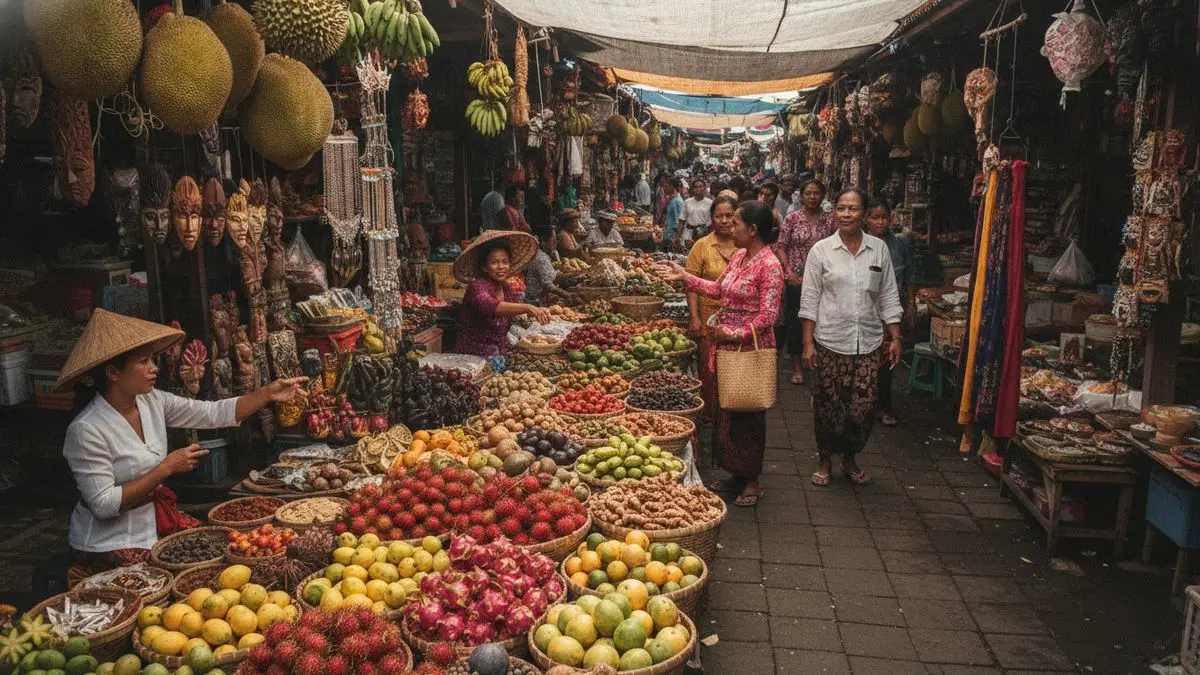
Busy is safer than empty, because high turnover means food has not been sitting. A packed warung in Denpasar beats a quiet tourist restaurant with laminated photo menus.
Hot and freshly cooked beats lukewarm every time. Order the grilled seafood in Jimbaran, the babi guling, the sate lilit. Be more thoughtful about buffet breakfasts late in service, raw salads outside established restaurants, and uncovered cut fruit.
Carry hand sanitiser and use it before eating, since many Balinese dishes are eaten by hand and soap is not always available.
| Lower risk | Higher risk |
| Freshly cooked, served hot | Buffet dishes at the end of service |
| Tube ice with a hole through it | Crushed or shaved cloudy ice |
| Sealed bottled water, young coconut | Tap water, unsealed refills |
| Fruit you peel yourself | Pre-cut fruit left uncovered |
| Busy warungs with high turnover | Empty restaurants, unclear kitchens |
Bali Belly Treatment: What Actually Helps
How to treat Bali Belly is simpler than the internet suggests. Replace what you are losing and let the infection run its course.
- Rehydrate properly. Plain water is not enough, because you lose salts as well as fluid. Oral rehydration salts are the mainstay of treatment according to the CDC Yellow Book, and every Indonesian pharmacy sells them, usually branded Oralit, for a few thousand rupiah. Mix a sachet into a litre of bottled or boiled water and sip steadily. It tastes salty. Drink it anyway. Coconut water and clear broth help alongside, though sweet sodas worsen watery stools.
- Eat when you can. Starving yourself speeds nothing up. Plain rice, bubur rice porridge, bananas, dry toast and clear soup are easy starting points. Return to normal food as your appetite does.
- Be careful with anti-motility medication. Loperamide has its place for a long drive or a flight home and is sold over the counter here. It is not appropriate alongside fever or blood in the stool, because slowing the gut keeps the infection there. Ask a pharmacist rather than guessing.
- Do not self-prescribe antibiotics. They help only in some cases and are unnecessary for the mild episode most travellers get. Self-treatment also drives antibiotic resistance across the region. If they are warranted, a doctor decides which one and for how long.
- Slow the itinerary down. This is where a private driver in Bali earns their keep. Swap the sunrise trek for a quiet day and stay out of the midday heat, which accelerates dehydration.
When to See a Doctor in Bali
Most cases never need a clinic. Some do, and Bali is well set up for it. Denpasar, Kuta, Seminyak, Ubud, Sanur and Nusa Dua all have international-standard clinics with English-speaking doctors, IV rehydration and stool testing, and most send a doctor to your hotel. Seek care if you have:
- Blood or mucus in your stool
- Fever above 38.5°C, or a fever that will not settle
- Vomiting that stops you keeping fluids down
- Dehydration signs: dark urine, passing little urine, dizziness on standing, confusion
- Severe or sharply localised abdominal pain
- Symptoms continuing beyond five to seven days
- Any diarrhoea in an infant, young child, pregnant traveller, older adult or immunocompromised person
Children dehydrate far faster than adults, so start oral rehydration early rather than holding it in reserve. Keep your receipts. A consultation and an IV drip is a routine travel insurance claim, and it is exactly why we ask every guest to travel insured.
Ten Mistakes We See Travellers Make
- Avoiding all ice and street food, then eating a lukewarm hotel buffet
- Drinking only plain water and replacing no salts
- Taking loperamide while running a fever
- Buying antibiotics over the counter
- Blaming last night’s dinner, not the meal two days earlier
- Leaving a wet toothbrush sitting in tap water
- Swallowing river water on rafting and canyoning days
- Pushing on with a volcano sunrise while dehydrated
- Travelling without insurance
- Packing no Oralit or hand sanitiser in the day bag
How We Plan Around It
None of this should stop you eating well here. The point is knowing which risks are real and which are folklore. When we build an itinerary, we plan for the possibility rather than pretending it away: drivers who know the nearest clinic in each area, hotels with reliable kitchens, and enough slack that losing a day does not collapse the trip. If someone goes down, message us, and we move things.
Planning Your Trip
Bali Belly is a manageable inconvenience, not a reason to eat cautiously or plan nervously. Learn the ice rule, drink sealed or filtered water, favour busy kitchens, carry rehydration salts. That covers most of it. Tell us how much time you have and what you want from your trip, and we’ll build the days around it, with drivers who know the island and a schedule with room to breathe. Message us on WhatsApp or through our contact page.
Frequently Asked Questions
- What is Bali Belly, in one sentence?
A gut infection from contaminated food or water, known medically as travellers’ diarrhoea, causing loose stools, cramps and nausea for a few days. - How common is Bali Belly?
Roughly a third of short-term international travellers to comparable destinations, though only about 3 percent get symptoms serious enough to interrupt their plans. - How long does Bali Belly last?
One to three days for most people. Beyond seven days, get a stool test rather than self-treating. - Can I drink the ice in Bali?
Yes, in established venues. Tube ice with a hole through the middle comes from licensed factories. Avoid cloudy crushed ice from unclear sources. - Is it safe to brush my teeth with tap water?
The risk is low for most adults, but bottled water removes the question entirely and is worth using for children. - Should I take Imodium?
Loperamide helps you get through a flight or long drive. Do not take it with a fever or blood in your stool. Ask a pharmacist first. - Do I need antibiotics for Bali Belly?
Usually not. Most cases resolve with rehydration. Antibiotics are a doctor’s decision, not a pharmacy purchase. - Can you get Bali Belly from swimming?
Swallowing river or pool water on rafting, canyoning and waterfall days is a real route of infection. Sea water is much lower risk. - Is street food in Bali dangerous?
No. Busy stalls with high turnover and food cooked to order in front of you are often safer than a quiet buffet. - What should I pack?
Oral rehydration sachets, hand sanitiser and whatever anti-diarrhoeal your doctor recommends. All are sold locally, but you want them in your bag, not in a shop.